

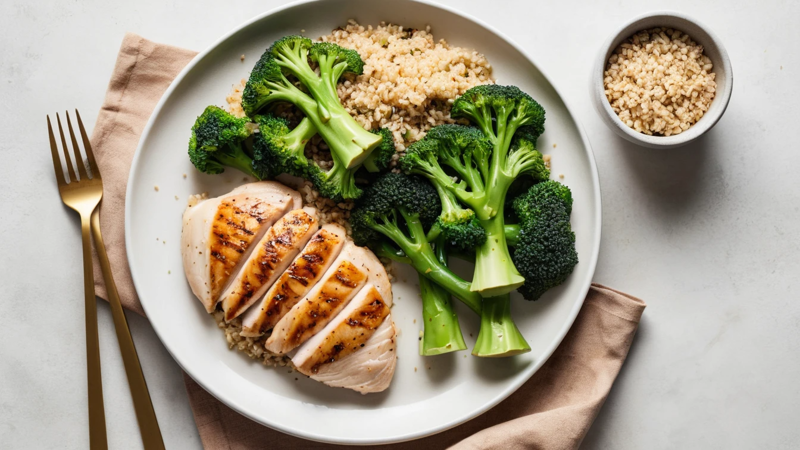
How much protein in 6 oz chicken breast? Discover the lean-muscle friendly protein amount, cooking tips, nutrition facts & meal ideas.
A 6-ounce (about 170 g) boneless, skinless chicken breast cooked contains roughly 50–55 grams of protein, making it an excellent lean-protein choice for strength, recovery and diet goals.
How Much Protein In 6 Oz Chicken Breast?
Have you ever looked at a chicken breast on your plate and wondered: “Am I really getting enough protein here?”
Let’s cut straight to the chase. For a typical 6-ounce (approximately 170 g) boneless, skinless chicken breast that’s been cooked, you’re looking at around 50–55 grams of protein.
That number gives you strong lean-protein support for muscle building, recovery after workouts, or simply staying full and satisfied during the day.
Understanding The Search Intent
When people search “how much protein in 6 oz chicken breast”, they usually want:
- A clear amount of protein (grams) they’ll get.
- How it fits into calories/macros & diet goals.
- Differences based on cooking method or raw vs cooked weight.
- Practical tips for using chicken breast as a protein source.
So this article will deliver all that: the exact numbers, what affects them, how to track, and how you can use this info smartly.
What Defines “6 Oz” In Chicken Breast
First thing: what does “6 oz” mean? In U.S. terms, 6 ounces is about 170 grams (since 1 oz ≈ 28.35 g).
But—and this is key—the raw weight vs cooked weight can differ. Many nutrition tables are for raw or cooked, and they don’t always match up one-to-one because of water loss during cooking.
Raw vs Cooked Weight
- A 6-oz raw chicken breast might shrink when cooked (less water).
- If you measure 6 oz after cooking, it started heavier raw.
- Nutrition facts (especially protein) often refer to cooked weight for accuracy.
Understanding that helps you avoid mis-estimating how much protein you’re really eating.
Protein Content Of Chicken Breast: What The Research Says
Let’s dive into reliable numbers. First, general protein values for chicken breast:
- 100 g of cooked, boneless skinless chicken breast ≈ 31–32 g protein.
- A cooked chicken breast of about 174 g contains ~56 g of protein.
- A 6-oz cooked, skinless chicken breast shows around 50–55 g of protein.
Putting together the data: for a 6-ounce (170-180 g) cooked portion you can expect ≈50–55 g protein.
Breaking Down The Protein For 6 Oz Portion
Here’s a simple table to visualize how the numbers work:
| Portion Size | Protein (approx) |
| ~100 g cooked chicken breast | ~31-32 g |
| ~170 g cooked (≈6 oz) | ~50–55 g |
So if you eat a full 6-oz chicken breast (cooked, boneless skinless), you’re getting a very strong protein hit.
Why It’s A Great Lean Protein Source
Here’s why this chicken breast number matters:
- You’re covering ~50 g protein in one meal, which for many people is a big chunk of daily need.
- Chicken breast is low in fat (when skinless) and zero carbs naturally, so the macro profile is very favorable.
- High-protein foods help with satiety (feeling full), muscle repair, and metabolism.
- It’s versatile in the kitchen, easy to prep and include in many meals.
Factors That Affect The Protein Amount
The “~50–55 g” is a good estimate—but your actual number may vary. Here are the main factors:
- Raw vs cooked weight – Cooking shrinks weight, so 6 oz cooked may start as more raw.
- Skin on vs skin off – Skin adds fat and calories, slightly affecting the lean-protein ratio.
- Bone-in vs boneless – Bone-in means you’re eating less meat per ounce, so lower actual protein.
- Added ingredients or cooking method – Oils, sauces, breading add calories and fat (not protein) so the “per ounce” protein may dilute.
- Chicken quality – Slight variation in muscle composition or water content.
Keeping skin off, boneless, and cooked plainly gives the leanest, most predictable protein value.
How Many Calories & Macros Come With 6 Oz Chicken Breast?
You probably want a fuller picture: protein is great, but also what about calories and fat?
| Portion | Calories approx | Protein | Fat approx |
| 6 oz cooked skinless | ~165-200 kcal | ~50–55 g | ~3-5 g |
So, you get a lot of protein for relatively few calories, assuming you keep it lean.
What Does 50 Grams Protein Really Cover?
Let’s put that into context: why is getting ~50 g protein in one meal useful?
- Many adults are told to aim for ~0.8 g to 1.2 g protein per kilogram of body weight (varies by activity).
- For someone weighing 70 kg (≈154 lbs), that’s ~56 g to ~84 g/day if active.
- So one 6-oz chicken breast could cover half or more of that day’s need in one sitting.
- For muscle-building or fitness goals you might want more, but this is solid everyday coverage.
So you’re hitting a big chunk of your daily target without having to eat multiple protein sources.
Meal Ideas & How To Use 6 Oz Chicken Breast
Here are some practical ways to get the most out of your chicken breast:
- Grill or bake a 6-oz skinless breast, season simply (salt, pepper, herbs) pair with veggies and quinoa.
- Slice cooked breast, add to a salad with mixed greens, avocado, & a light vinaigrette.
- Shred it and make a high-protein wrap with whole-grain tortilla, spinach, tomato.
- Meal-prep: cook 4–5 breasts at once, portion out 6-oz each, lock in your macro.
Tips to maximize lean-protein value:
- Remove skin before cooking to limit added fat.
- Use minimal oil (spray or brush) rather than deep-frying.
- Weigh after cooking if you track macros—gains accuracy.
- Choose boneless, skinless for ease of portion control.
Comparing Chicken Breast With Other Protein Sources
To highlight how strong chicken breast is, here’s a quick compare:
| Protein Source | Protein per ~100 g | Comments |
| Cooked chicken breast | ~31-32 g | High, lean animal protein |
| Cooked chicken thigh | ~25–26 g | More fat, slightly less protein |
| Fish (varies) | ~20-25 g | Good, especially with omega-3s |
| Bean/legume sources | ~7–20 g (varies) | Plant-based protein options |
So choosing a 6-oz chicken breast gives you a top tier protein value in the “food” category—not a supplement, just real food.
Frequently Asked Mistakes & How To Avoid Them
Let’s weed out common errors that mess up your protein tracking:
- Assuming raw-weight protein equals cooked-weight → Always clarify whether the nutrition is raw or cooked.
- Weighing chicken with skin or bone and using skinless boneless macros → Leads to under-estimating fat or calories.
- Not adjusting for sauces/breading → Adds calories and fats, changing the lean-protein profile.
- Overlooking shrinkage when cooking → You might think you ate “6 oz raw” but post-cooking it’s less.
- Only tracking protein but ignoring overall diet → High protein is great, but balanced macros & micronutrients matter too.
Who Should Care About This Protein Count?
You might be thinking: “Is this relevant for me?” Here’s who benefits:
- Fitness enthusiasts & bodybuilders who want to hit high protein intake for muscle repair/growth.
- People trying to lose weight — high-protein meals help with fullness and preserving lean mass.
- Anyone managing macros or calories — knowing “6 oz breast = ~50 g protein” helps meal planning.
- Meal-preppers who batch cook — get consistent portions and nutrients without guesswork.
If you fit any of those, this data is gold. Even if you’re just trying to eat healthier, it gives clarity.
Quick Reference
Here’s a handy table you can pull up anytime:
| Serving Size | Protein Approx | Calories Approx |
| 100 g cooked, skinless | ~31-32 g | ~165 kcal |
| 6 oz cooked (~170 g) | ~50–55 g | ~280-300 kcal* |
*Calories vary based on fat, cooking method, added ingredients.
Final Takeaway ✅
If you’re holding a 6-oz, boneless, skinless, cooked chicken breast—you are consuming about 50–55 grams of high-quality protein. That’s impressive. It’s lean, efficient, and flexible for many diet and fitness goals.
Use this number to plan your meals, hit your protein target, and stay consistent with your macros.
Frequently Asked Questions
- How many grams of protein in 6 oz raw chicken breast?
If the chicken is raw, 6 oz (≈170 g) boneless skinless might yield roughly 38–45 g protein, depending on water content and trimming. - Does cooking method change the protein in 6 oz chicken breast?
Cooking doesn’t change the total protein, but water and fat loss can concentrate the weight, making the “grams per ounce” appear higher. - Can eating 6 oz chicken breast meet daily protein needs?
For many people, yes—it can cover half or more of a moderate daily protein goal, especially if weight is ~70 kg and target is ~60–80 g/day. - Is skinless chicken breast better for protein than chicken thigh?
Yes—skinless breast gives more protein per calorie and less fat compared to thighs, which makes it a leaner choice. - Should I weigh chicken breast raw or cooked to track macros?
Best practice: Decide and be consistent. If your nutrition source is cooked weight, weigh after cooking. That ensures your “6 oz = ~50–55 g protein” estimate holds up.





Leave a Reply