

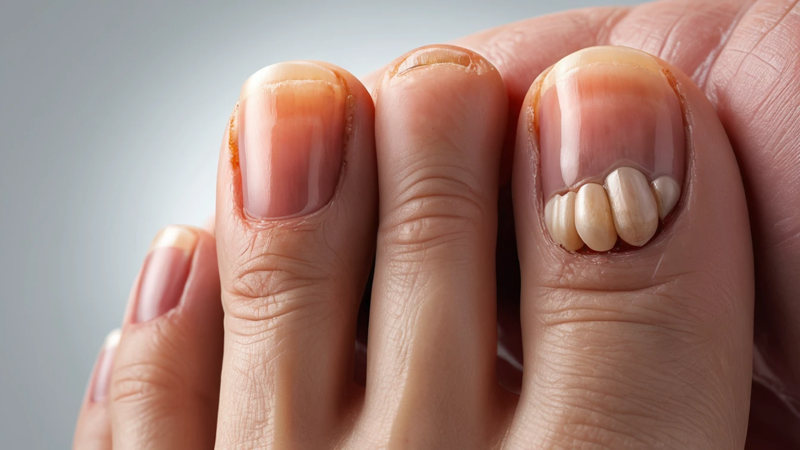
Retronychia treatment focuses on stopping painful nail regrowth, reducing swelling, and preventing repeat infections with proven medical and home care options.
Retronychia treatment usually involves reducing inflammation, stopping backward nail growth, and removing damaged nail plates when needed. Mild cases respond to rest and care. Severe or chronic cases often require partial or total nail removal by a specialist.
Ever had toenail pain that just won’t quit, no matter how much you trim or soak it? That deep throbbing near the cuticle often feels confusing and stubborn. Many people think it’s an infection or ingrown nail. But retronychia plays by different rules.
Retronychia happens when the nail grows backward into the skin. This causes pressure, swelling, and sharp pain. Walking becomes uncomfortable. Even shoes can feel unbearable. Understanding the right treatment changes everything.
What Is Retronychia And Why It Happens 🦶
Retronychia is a nail condition where new nail plates push old ones backward. This backward pressure damages the nail matrix. Over time, inflammation builds near the cuticle area. Pain becomes constant and intense.
This problem often affects the big toe. Repeated trauma is a major cause. Tight shoes, running, hiking, or sudden stops can trigger it. Nail growth disruption also plays a role.
Common triggers include:
- Repetitive toe injuries
- Sudden nail growth changes
- Poor footwear support
- Chronic pressure on toenails
When ignored, symptoms worsen fast.
Common Signs That Point To Retronychia 🚨
Retronychia symptoms often mimic infections. That’s why many cases go untreated. The pain feels deep and persistent. Swelling starts near the cuticle, not the nail edge.
Look out for these warning signs:
- Red, swollen skin at the nail base
- Thickened or layered nail plates
- Yellow or white nail discoloration
- Nail growth that suddenly stops
Pus or fluid may appear later. At that stage, medical care is crucial.
How Doctors Diagnose Retronychia 🩺
Diagnosis starts with a physical exam. Doctors look closely at nail growth patterns. They check for overlapping nail layers. The swollen proximal nail fold is a key clue.
Imaging is rarely needed. X-rays only help rule out bone issues. Medical history matters a lot here. Repeated toe trauma often confirms suspicion.
Early diagnosis improves outcomes. Delayed treatment increases pain and recurrence risk.
Retronychia Treatment Goals Explained 🎯
The main goal is simple. Stop backward nail growth and reduce inflammation. Pain relief comes next. Preventing recurrence is equally important.
Treatment plans vary by severity. Mild cases need conservative care. Severe cases require minor procedures. The approach always depends on symptoms and nail damage.
Key treatment goals include:
- Reducing swelling and pain
- Removing trapped nail plates
- Allowing healthy nail regrowth
- Preventing future trauma
Conservative Retronychia Treatment Options 🧴
Early-stage retronychia often responds well to non-surgical care. Resting the toe is critical. Avoid tight shoes and intense activity.
Doctors may recommend:
- Warm water soaks
- Topical anti-inflammatory creams
- Proper nail trimming guidance
- Protective footwear changes
These methods calm inflammation. They work best when started early. Results usually appear within weeks.
When Nail Removal Becomes Necessary ✂️
Chronic retronychia often needs nail removal. This is the most effective long-term treatment. Partial or total nail avulsion may be required.
The procedure removes overlapping nail plates. This instantly relieves pressure. Inflammation reduces quickly after removal.
Here’s a simple comparison of approaches:
| Treatment Approach | Best For | Recovery Time |
| Conservative Care | Mild cases | 2–4 weeks |
| Partial Nail Removal | Moderate pain | 4–6 weeks |
| Total Nail Removal | Severe cases | 6–8 weeks |
Most patients report rapid pain relief.
What Happens During Nail Avulsion 🏥
The procedure is done under local anesthesia. Pain during treatment is minimal. The doctor carefully removes the affected nail plate.
After removal, the nail bed is cleaned. Sometimes the nail matrix is treated to prevent recurrence. Bandaging follows immediately.
Post-procedure care is essential. Healing usually progresses smoothly with proper aftercare.
Recovery After Retronychia Treatment ⏳
Recovery depends on treatment type. Conservative care heals faster. Surgical cases take longer but offer lasting relief.
Expect mild tenderness for a few days. Swelling reduces steadily. Normal walking resumes within weeks.
Recovery tips include:
- Keep the area clean and dry
- Change dressings as instructed
- Avoid pressure on the toe
- Wear open or wide shoes
Patience helps healing stay on track.
Can Retronychia Come Back? 🔁
Yes, recurrence is possible. Especially if triggers remain. Repeated trauma increases risk significantly.
Preventive care reduces recurrence chances. Nail regrowth must stay healthy and aligned. Proper footwear matters more than most people realize.
Here’s what helps prevent return:
| Prevention Step | Why It Helps |
| Proper Shoe Fit | Reduces toe pressure |
| Nail Care Habits | Prevents growth issues |
| Activity Modifications | Limits repeated trauma |
| Early Treatment | Stops progression |
Consistency is key.
Home Care Tips That Support Healing 🏠
Home care supports medical treatment. It speeds recovery and reduces discomfort. Simple habits make a big difference.
Helpful steps include:
- Daily warm saltwater soaks
- Gentle cleaning without harsh tools
- Avoiding aggressive nail trimming
- Monitoring for redness or drainage
Never dig into the nail fold. That worsens inflammation fast.
Retronychia Vs Ingrown Toenail ⚖️
These two conditions are often confused. But treatment differs greatly. Ingrown nails grow sideways. Retronychia grows backward.
Pain location helps distinguish them. Retronychia pain centers near the cuticle. Ingrown nails hurt along the nail edge.
Here’s a quick comparison:
| Feature | Retronychia | Ingrown Toenail |
| Growth Direction | Backward | Sideways |
| Pain Location | Nail base | Nail edge |
| Common Cause | Repeated trauma | Improper trimming |
| Treatment | Nail removal | Edge correction |
Correct diagnosis matters.
How Long Does Treatment Take? ⏱️
Treatment time varies. Mild cases improve within weeks. Severe cases need months for full nail regrowth.
Pain relief often comes early. Swelling reduces quickly after nail removal. Cosmetic recovery takes longer.
Most people return to daily life fast. Long-term results are usually excellent.
Lifestyle Changes That Help Prevent Retronychia 👟
Prevention starts with small changes. Shoes matter more than you think. Narrow toe boxes cause repeated stress.
Helpful lifestyle changes include:
- Choosing wide, cushioned shoes
- Avoiding sudden activity spikes
- Trimming nails straight across
- Taking breaks during long walks
These habits protect nail health long-term.
When To See A Specialist 🚑
See a specialist if pain persists. Swelling near the cuticle is a red flag. Pus or drainage needs prompt care.
Early medical attention prevents complications. Waiting only worsens nail damage.
If walking hurts daily, it’s time.
Long-Term Outlook After Treatment 🌱
The outlook is very positive. Most patients heal fully. Pain relief is often dramatic.
With proper care, nails regrow normally. Recurrence is rare when triggers are managed. Long-term satisfaction rates are high.
Retronychia treatment works when done right.
Key Takeaways To Remember ✅
Retronychia causes backward nail growth and intense pain. Early treatment prevents complications. Conservative care works for mild cases. Nail removal offers lasting relief for severe cases.
Prevention focuses on footwear, nail care, and reducing trauma. Listening to your body makes all the difference.
FAQs About Retronychia Treatment
How Is Retronychia Treated Without Surgery?
Mild retronychia responds to rest, shoe changes, and topical treatments. Reducing pressure is critical. Early care often avoids surgery.
Does Retronychia Treatment Hurt?
Most treatments cause minimal pain. Nail removal uses local anesthesia. Relief often feels immediate afterward.
How Long Does Nail Regrowth Take After Treatment?
Toenails take several months to fully regrow. Pain relief happens much sooner. Cosmetic healing takes patience.
Can Tight Shoes Cause Retronychia?
Yes, tight shoes are a major trigger. They apply repeated pressure on the nail. Switching footwear helps prevent recurrence.
Is Retronychia A Permanent Condition?
No, it’s treatable. Proper care usually resolves it completely. Recurrence is preventable with lifestyle changes.



Leave a Reply