

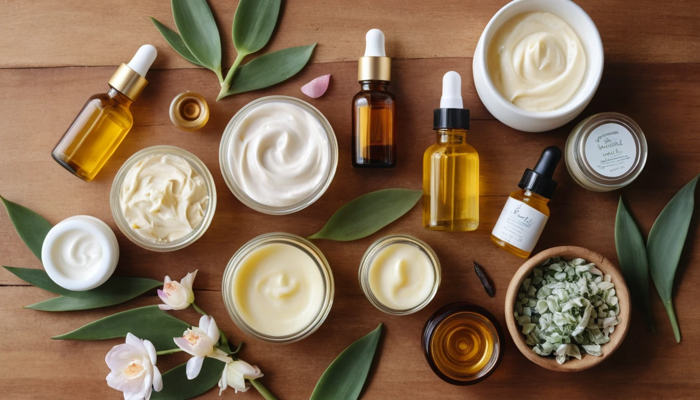
Organic skin care products deliver plant-based, chemical-free care for healthier, glowing skin. Learn what to buy, what to avoid, and simple routines that work.
Organic skin care products use plant-based, certified ingredients to lower exposure to synthetic chemicals and harsh preservatives. They often soothe sensitive skin and improve hydration. Choose certified products, read labels, and patch-test new items for safe, steady results.
Could swapping to organic skin care products be the simplest change for healthier, happier skin?
Yes. Organic skin care products avoid many synthetic additives and harsh preservatives. They focus on plant oils, extracts, and simple formulas. This change can reduce irritation for sensitive skin and support a clearer complexion.
What Are Organic Skin Care Products?
Organic skin care products are made from plant-based ingredients grown without synthetic pesticides. They often avoid parabens, synthetic fragrances, and petrochemicals. This reduces your exposure to certain harsh chemicals.
Many organic items also use minimal formulas. They aim for clean beauty with fewer, more transparent ingredients. That makes them easier to read and understand for most people.
Key Benefits Of Organic Skin Care
Organic products often hydrate skin using natural oils and humectants. Ingredients like aloe, jojoba, and shea butter lock in moisture. This helps dry and aging skin feel softer.
They may also lower irritation. Removing synthetic fragrances and harsh preservatives reduces red, itchy reactions. Many users report calmer skin after switching. ✨
Common Organic Ingredients And Their Uses
Look for ingredients such as aloe vera, green tea, chamomile, and jojoba oil. These provide soothing, antioxidant, and moisturizing benefits. They also support skin healing and calm inflammation.
Other useful items include rosehip oil for brightening and squalane for hydration. Plant-based vitamin C and niacinamide derivatives help even tone. These ingredients often pair well in simple formulations.
Ingredients To Avoid In Organic Products ⚠️
Even products labeled organic can hide problematic ingredients. Watch for synthetic fragrance, formaldehyde releasers, and PEGs. These can be irritating or drying for some people.
Also avoid confusing marketing terms like “natural fragrance.” Read the full ingredient list. If a product lists many chemical names, pause and research them.
| Ingredient To Watch | Why Avoid It | Common Use |
| Parabens | May irritate sensitive skin | Preservative |
| Synthetic Fragrance | Can cause allergic reactions | Fragrance |
| PEGs | Potentially irritating | Emulsifier |
How To Read Labels And Certifications ✅
Certified organic seals matter. Look for USDA Organic, COSMOS, or Ecocert where possible. These marks show third-party checks for ingredient sourcing and processing.
Also scan the ingredient list from first to last. Ingredients are listed by weight. The earlier an ingredient appears, the more of it exists in the formula. This helps you pick better, clearer products.
Organic Vs Natural: What’s The Difference?
“Natural” can mean many things. It often means ingredients come from nature. But natural is not regulated strictly in many places.
“Organic” implies certified growing practices and testing. Organic certification requires limits on pesticides and additives. So organic is generally stricter and more trustworthy than natural.
Choosing The Right Organic Products For Your Skin Type
For oily skin, pick non-comedogenic oils like jojoba or squalane. These hydrate without heavy residue. Gel cleansers with green tea or willow bark can help with oil control.
For dry skin, choose richer creams with shea or ceramides. Look for humectants like glycerin or hyaluronic acid. Patch-test new richer formulas to avoid breakouts.
Creating An Organic Daily Skin Care Routine
Start with a gentle organic cleanser that suits your skin type. Use a lightweight organic serum for targeted concerns. Finish with an organic moisturizer and daily SPF.
Keep steps simple. A basic routine: cleanse, treat, moisturize, protect. That works for most people and keeps product costs sensible. ✅
| Morning Routine | Evening Routine |
| Gentle Cleanse | Double Cleanse (if makeup) |
| Lightweight Serum | Treatment Serum |
| Moisturizer + SPF | Rich Moisturizer |
| Optional: Eye Cream | Optional: Face Oil |
DIY Organic Skin Care: Safe Recipes To Try
DIY can be fun and effective. Try a simple honey + yogurt mask to soothe and hydrate. Use mashed avocado and oat for a gentle, nourishing mask.
Always keep recipes simple and short-term. Store homemade products in the fridge and use within days. That reduces bacterial growth and keeps ingredients fresh.
Cost And Value: Are Organic Products Worth It?
Organic products can cost more due to sourcing and certification. You pay for responsible farming and testing. But value depends on the formula, not the price tag.
You can find budget-friendly organic choices. Focus on key items like moisturizer and cleanser first. A small number of quality staples often delivers the most benefit.
Environmental Impact And Packaging
Organic farming often reduces pesticide runoff and improves soil health. That helps surrounding ecosystems and biodiversity. Choosing organic supports these positive practices.
Also watch packaging. Look for recyclable, refillable, or minimal packaging. Small brands often use glass or compostable materials. This cuts waste and supports sustainable choices.
Myths And Misconceptions About Organic Skin Care
Myth: Organic Automatically Means Hypoallergenic.
False. Plant extracts can still irritate. Always patch-test new formulas.
Myth: Organic Products Don’t Work As Well.
Not true. Many organic formulas perform well. Look for proven active ingredients in any formula.
| Myth | Reality |
| Organic Means No Allergies | Natural extracts can irritate |
| Natural Works Slower | Many actives are plant-derived |
| Organic Is Always Better | Formula matters, not label |
Allergies, Sensitivities, And Patch Testing
Always patch-test a new product on the inner forearm. Apply a small amount and wait 24–48 hours. Look for redness, itching, or swelling.
If a reaction occurs, stop use immediately. Consult a dermatologist for severe reactions. Keep a product log to track triggers and patterns.
“I tried organic cleanser and my redness calmed in two weeks.”
Real results often come from consistent, simple care.
Where To Buy Genuine Organic Products
Buy from trusted retailers and brand sites. Check certification badges on product pages. Local health stores often carry verified organic lines.
Be careful with marketplaces that allow unverified claims. Read reviews and inspect ingredient lists. If a deal seems too good, check the label carefully.
Storage, Shelf Life, And Product Care
Organic products can have shorter shelf lives. They often avoid strong synthetic preservatives. Store them in a cool, dark place to extend freshness.
Use products within their recommended period after opening. If a product smells off, discard it. That keeps your skin safe and avoids irritation.
How To Transition To Organic Skin Care Gradually
Swap one product at a time to see how your skin reacts. Start with cleanser or moisturizer first. Wait two to four weeks before adding another new item.
This slow swap helps you identify which product works or causes issues. It also eases cost and reduces waste. Small changes add up over time.
Conclusion — Key Takeaways And Next Steps ✨
Organic skin care products focus on plant-based, lower-chemical formulas. They can help reduce irritation and boost hydration. Choose certified items and read ingredient lists carefully.
Start with a simple routine and patch-test every new product. Prioritize key items like cleanser, moisturizer, and SPF. Slow, consistent changes deliver the best long-term results. ✨
FAQs
Are Organic Skin Care Products Better For Sensitive Skin?
Many people with sensitive skin find organic products gentler. Avoid known plant allergens and do a patch test first. If irritation occurs, stop use and consult a professional.
How To Spot Certified Organic Skin Care Products?
Look for seals like USDA Organic, COSMOS, or Ecocert on packaging. Check the ingredient list for recognizable plant names. Beware of vague terms like “made with natural ingredients.”
Can Organic Products Help With Acne-Prone Skin?
Yes, some organic products help balance oil and soothe inflammation. Look for non-comedogenic oils and exfoliating acids. Always introduce acne treatments slowly and monitor results.
What Are The Best Organic Ingredients For Dry Skin?
Seek shea butter, squalane, hyaluronic acid, and glycerin. These ingredients hydrate and protect the skin barrier. Use richer creams at night for extra nourishment.
How Long Do Organic Skin Care Products Last?
Shelf life varies by product and preservatives used. Many last 6–18 months unopened. After opening, follow the product’s PAO and store in cool, dark places.






Leave a Reply