

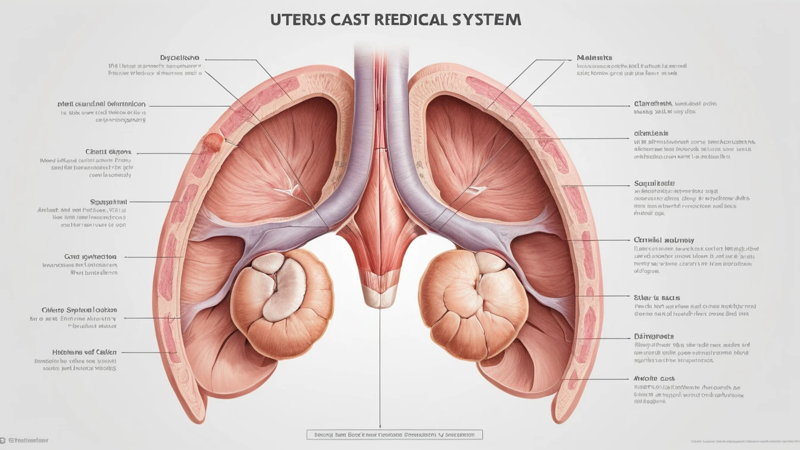
Decidual cast birth control explained simply—learn causes, symptoms, risks, and what to do if it happens while on hormonal contraception.
A decidual cast is when the entire uterine lining sheds in one piece, often linked to hormonal birth control. It can look alarming, but it’s usually harmless. It may cause intense cramping and bleeding, but most people recover without complications.
Decidual Cast Birth Control: What It Really Means
Have you ever passed something during your period that looked… different and a little scary?
If you’re using hormonal birth control, you might experience something called a decidual cast. It sounds intense—and honestly, it can feel that way too—but understanding it can take away a lot of fear.
A decidual cast happens when the uterine lining sheds all at once instead of gradually. This can sometimes occur due to hormonal changes caused by birth control methods like pills, patches, or injections.
What Is A Decidual Cast? 🧠
A decidual cast is when the lining of your uterus comes out in one solid piece. Normally, your period sheds this lining slowly. But in this case, it exits all at once.
This tissue often looks like the shape of the uterus. That’s what makes it so surprising. Many people mistake it for something serious at first glance.
While it may feel alarming, most cases are not dangerous. Still, it’s important to understand what your body is doing and why.
How Birth Control Triggers A Decidual Cast 💊
Hormonal birth control changes how your body produces and responds to hormones like progesterone.
When hormone levels suddenly shift, your uterine lining may respond by thickening and then shedding all at once. This is what can lead to a decidual cast.
Common triggers include:
- Starting or stopping birth control suddenly
- Missing doses
- Using high-dose hormonal contraceptives
Types Of Birth Control Linked To Decidual Casts
Different birth control methods can affect your hormones in unique ways.
Here’s a breakdown:
| Birth Control Type | Risk Level | Notes |
| Birth Control Pills | Moderate | Especially if doses are missed |
| Depo Shot | Higher | Strong hormonal shifts |
| Hormonal IUD | Low | Rare but possible |
| Patch/Ring | Moderate | Depends on consistency |
Not everyone will experience this. But knowing the risk helps you stay prepared.
What Does A Decidual Cast Look Like? 👀
It usually appears as a fleshy, reddish mass. It may look like a triangular or tube-shaped piece.
This shape often matches the inside of your uterus. That’s why it can be so shocking.
Some describe it as:
- Thick and rubbery
- Dark red or pink
- Larger than a typical clot
If you see something like this, don’t panic—but do pay attention.
Common Symptoms You Might Notice ⚠️
A decidual cast doesn’t just appear silently. It often comes with noticeable symptoms.
These may include:
- Severe cramping (sometimes intense)
- Sudden heavy bleeding
- Pelvic pain
- Passing large tissue
The pain can feel similar to strong menstrual cramps—or even worse.
Why Does It Hurt So Much? 😖
The uterus has to contract strongly to push out the entire lining at once.
This causes intense cramping. Think of it like your body working overtime in a short burst.
The larger size of the tissue also makes it more difficult to pass. That’s why the discomfort can feel stronger than a normal period.
Is A Decidual Cast Dangerous? 🩺
In most cases, it is not dangerous.
It can feel scary, but it doesn’t usually cause long-term harm. Your body typically recovers quickly after it passes.
However, you should still watch for warning signs like:
- Ongoing severe pain
- Fever
- Heavy bleeding that doesn’t stop
Decidual Cast Vs Blood Clot: Key Differences
It’s easy to confuse a decidual cast with a large blood clot.
Here’s how they differ:
| Feature | Decidual Cast | Blood Clot |
| Shape | Uterus-shaped | Irregular |
| Texture | Firm, tissue-like | Soft, jelly-like |
| Size | Larger | Usually smaller |
| Cause | Hormonal shifts | Normal bleeding |
Understanding this difference can help reduce anxiety.
Who Is Most At Risk? 📊
Not everyone on birth control will experience this.
You may be more likely if you:
- Use hormonal contraceptives
- Recently changed birth control
- Miss doses often
- Have hormone sensitivity
Teenagers and young adults sometimes report this more often, but it can happen at any age.
When Should You See A Doctor? 🚑
Even though it’s usually harmless, there are times to seek medical help.
Contact a doctor if you experience:
- Severe, nonstop pain
- Extremely heavy bleeding
- Signs of infection
- Uncertainty about what passed
It’s always better to be safe than worried.
Can It Affect Fertility? 🌱
The good news? A decidual cast does not affect long-term fertility.
Your uterus will rebuild its lining normally in the next cycle. There is no lasting damage.
However, frequent hormonal disruptions could affect cycle regularity temporarily.
How To Manage Symptoms At Home 🏡
If you’re dealing with a decidual cast, focus on comfort and care.
Here are simple ways to manage symptoms:
- Use a heating pad for cramps
- Take over-the-counter pain relief
- Stay hydrated
- Rest as much as possible
Most symptoms pass within a short time.
How To Reduce Your Risk 💡
You can lower your chances by managing your birth control carefully.
Try these tips:
- Take pills at the same time daily
- Avoid skipping doses
- Talk to your doctor before switching methods
- Follow instructions closely
Consistency is key when it comes to hormonal balance.
Emotional Impact: Why It Feels Scary 😟
Let’s be real—this experience can feel shocking.
Seeing something unusual from your body can cause anxiety. Many people fear the worst at first.
It helps to remind yourself that your body is reacting to hormones. You’re not alone in this experience.
Real Experiences From People 💬
Many people who experience a decidual cast say the same thing: “I had no idea this could happen.”
Some describe intense pain followed by immediate relief after passing the tissue.
Others report fear at first, then reassurance after learning what it was. Education makes a huge difference.
How Doctors Diagnose A Decidual Cast 🧪
Doctors usually rely on symptoms and your medical history.
They may ask about:
- Birth control use
- Timing of symptoms
- Pain levels
In some cases, they might run tests to rule out other conditions.
Other Conditions That May Look Similar
Sometimes, a decidual cast can be confused with other issues.
These include:
- Early pregnancy loss
- Ectopic pregnancy
- Large menstrual clots
That’s why medical advice is important if you’re unsure.
Quick Comparison Of Symptoms
| Symptom | Decidual Cast | Normal Period |
| Pain Level | High | Mild to moderate |
| Tissue Type | Whole lining | Small clots |
| Duration | Short | Several days |
| Appearance | Structured | Irregular |
This helps you better understand what your body is doing.
Conclusion: What You Should Remember
A decidual cast from birth control can feel intense, but it’s usually not harmful.
It happens when hormonal changes cause the uterine lining to shed all at once. While the experience can be painful and surprising, most people recover quickly without complications.
The key is to stay informed, listen to your body, and seek help if something feels off. Knowing what’s happening can turn fear into confidence.
FAQs
What causes decidual cast on birth control?
Hormonal shifts from birth control can trigger it. Sudden changes or missed doses increase the risk. The uterus responds by shedding its lining all at once.
How painful is a decidual cast experience?
It can be very painful due to strong uterine contractions. The pain is often sharper than regular cramps. Relief usually comes after passing the tissue.
Can birth control pills cause decidual cast?
Yes, especially if pills are missed or stopped suddenly. Hormone fluctuations play a big role. Not everyone will experience it, though.
Is passing decidual cast a medical emergency?
Usually no, but it can feel alarming. Seek help if pain or bleeding is severe. A doctor can rule out other conditions.
How long does decidual cast last after birth control?
The actual passing is quick, often within hours. Symptoms may last a day or two. Recovery is usually fast and complete.





Leave a Reply