


PCP near me helps you find trusted primary care doctors fast. Learn how to choose the right provider for your needs today.
Looking for a PCP near you? A primary care physician (PCP) is your first point of contact for most health needs. They provide checkups, manage chronic conditions, and guide you to specialists. Finding the right PCP nearby ensures faster care, better health tracking, and long-term support.
Smart Guide To Finding The Right Doctor 🩺
Looking for a PCP near me? A primary care physician (PCP) is often the first doctor you should visit for routine checkups, preventive care, chronic disease management, and referrals to specialists. Choosing the right PCP can improve your health, save time, and help you receive personalized medical care for years to come.
Have you ever wondered why some people seem to manage their health effortlessly while others constantly struggle with medical issues? The secret often starts with having the right primary care physician.
If you’ve been searching for a PCP near me, you’re already taking an important step toward better health. A primary care physician becomes your healthcare partner. They help you stay healthy, catch problems early, and guide you through medical decisions when health concerns arise.
Finding the right doctor may seem overwhelming at first. There are many options available, and not every physician will be the perfect fit for your needs. The good news is that a few smart strategies can make the process much easier.
🩺 What Is A PCP And Why Does It Matter?
A primary care physician, commonly called a PCP, is your main healthcare provider. They are usually the first doctor you contact when you have a health concern. Their role extends beyond treating illnesses. They focus on preventive care and long-term wellness.
PCPs develop a complete understanding of your medical history over time. This allows them to identify patterns, monitor health changes, and provide personalized care recommendations. They become familiar with your lifestyle, medications, and family history.
Having a trusted PCP often leads to better health outcomes. Patients with regular primary care visits tend to receive preventive screenings more consistently and experience fewer emergency room visits.
🌟 Benefits Of Having A Primary Care Physician
A PCP serves as your healthcare home base. Instead of visiting different providers for every issue, you have one professional coordinating your care.
Some major benefits include:
- Preventive screenings
- Annual physical exams
- Vaccinations
- Chronic disease management
- Specialist referrals
- Medication monitoring
- Personalized health advice
A strong doctor-patient relationship also creates trust. This trust makes discussing sensitive health concerns easier and leads to better treatment decisions.
| Benefit | How It Helps |
| Preventive Care | Detects issues early |
| Care Coordination | Simplifies healthcare management |
| Personalized Treatment | Tailored recommendations |
| Long-Term Monitoring | Tracks health changes |
| Lower Healthcare Costs | Reduces unnecessary visits |
🔍 Signs You Need To Search For A PCP Near Me
Many people wait until they are sick before finding a doctor. However, that approach can create unnecessary stress.
If you recently moved to a new city, changed insurance plans, or lost access to your previous physician, it’s time to start looking. Even healthy adults should establish care with a PCP.
You may also need a new physician if your current doctor is difficult to reach, frequently unavailable, or no longer meets your healthcare needs.
👨⚕️ Different Types Of Primary Care Doctors
Not all primary care doctors practice the same type of medicine. Understanding the differences can help you choose wisely.
Family medicine physicians treat patients of all ages. They often care for multiple generations within the same family. This makes them an excellent option for households seeking one provider.
Internal medicine doctors focus primarily on adults. Pediatricians care for children, while geriatric specialists focus on older adults. Each offers unique expertise based on patient age and healthcare needs.
📍 How To Start Your Search
The easiest place to begin is with your health insurance provider. Most insurance companies maintain updated directories of in-network doctors.
You can also ask friends, family members, and coworkers for recommendations. Personal experiences often provide valuable insights that online listings cannot offer.
Create a shortlist of potential physicians before making any decisions. Comparing several options helps ensure you find the right fit.
⭐ Check Online Reviews Carefully
Online reviews can offer helpful information, but they should not be your only decision-making tool.
Pay attention to recurring themes. If many patients mention long wait times or communication problems, those concerns may be worth considering. Likewise, consistently positive comments about bedside manner can be encouraging.
Remember that every patient experience is unique. A few negative reviews do not necessarily indicate poor quality care.
🏥 Verify Credentials And Experience
Before choosing a physician, take time to verify their qualifications. Board certification is one of the most important indicators of professional expertise.
You should also consider:
- Years of experience
- Medical education
- Specialty training
- Professional memberships
- Hospital affiliations
A qualified physician demonstrates a commitment to ongoing education and quality patient care.
| Factor To Review | Why It Matters |
| Board Certification | Confirms expertise |
| Experience Level | Improves clinical judgment |
| Specialty Training | Matches health needs |
| Hospital Affiliation | Expands treatment access |
| Continuing Education | Keeps skills current |
💰 Understand Insurance Coverage
Healthcare costs can vary significantly. Choosing an in-network provider often reduces out-of-pocket expenses.
Contact your insurance company and confirm that the physician accepts your plan. Ask about copays, deductibles, and coverage limitations before scheduling an appointment.
Unexpected medical bills can create frustration. Taking a few minutes to verify coverage can prevent financial surprises later.
📅 Evaluate Appointment Availability
Accessibility matters more than many people realize. A great doctor is less helpful if appointments are impossible to obtain.
Ask the office about:
- New patient wait times
- Same-day appointments
- Telehealth options
- After-hours support
- Emergency communication procedures
Convenient scheduling can make healthcare much less stressful.
🤝 Look For Strong Communication Skills
A physician should make you feel heard and respected. Good communication builds trust and improves healthcare outcomes.
During your first visit, notice whether the doctor listens carefully. Do they answer questions clearly? Do they explain treatment options in understandable language?
A physician who values patient education helps you make informed decisions about your health.
🧬 Consider Your Personal Health Needs
Every patient has unique healthcare requirements. Someone managing diabetes may prioritize chronic disease expertise. Parents may prefer family medicine providers who treat children and adults.
Think about your current health concerns and future goals. Choosing a physician whose experience aligns with your needs can improve the quality of care you receive.
Your healthcare journey is personal. Your PCP should support your individual circumstances and preferences.
🏃 Preventive Care Services To Expect
One of the biggest advantages of having a PCP is access to preventive healthcare services.
Common preventive services include:
- Annual wellness visits
- Blood pressure checks
- Cholesterol screening
- Diabetes screening
- Cancer screenings
- Vaccinations
- Lifestyle counseling
These services help identify potential problems before they become serious health conditions.
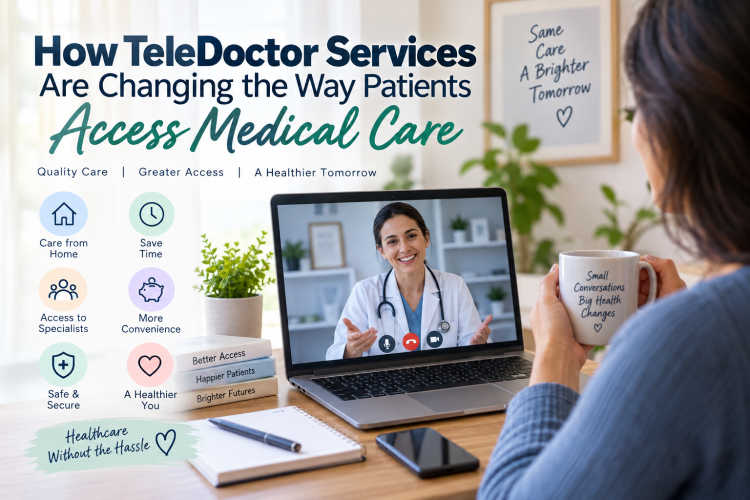
💻 Telehealth And Virtual Care Options
Technology has changed the way healthcare is delivered. Many primary care physicians now offer virtual appointments.
Telehealth visits can save time and increase convenience. Minor illnesses, medication follow-ups, and routine consultations can often be handled remotely.
Patients who live in rural areas or have busy schedules may especially benefit from these services. 📱
| Telehealth Advantage | Patient Benefit |
| Convenience | Less travel time |
| Faster Access | Quicker appointments |
| Flexibility | Easier scheduling |
| Follow-Up Care | Improved continuity |
| Reduced Exposure | Lower illness risk |
👪 Why Family Medicine Is Popular
Family medicine physicians offer comprehensive care across all age groups. They treat children, adults, and seniors.
This continuity creates a deeper understanding of family medical history. It also simplifies healthcare management for households with multiple family members.
Many families appreciate the convenience of having one trusted provider for everyone.
🚩 Red Flags To Watch For
Not every physician will be the right fit. Certain warning signs may indicate it’s time to keep searching.
Watch for:
- Poor communication
- Excessive wait times
- Rushed appointments
- Difficulty reaching staff
- Lack of follow-up
- Unclear billing practices
Healthcare should feel collaborative. If something feels consistently frustrating, another provider may be a better choice.
📋 Questions To Ask During Your First Visit
Your first appointment is an opportunity to evaluate the physician. Don’t hesitate to ask questions.
Helpful questions include:
- What preventive screenings do you recommend?
- How do you handle urgent concerns?
- Do you offer telehealth visits?
- What hospitals are you affiliated with?
- How do prescription refills work?
The answers can help determine whether the physician matches your expectations.
❤️ Building A Long-Term Relationship With Your PCP
Healthcare works best when it is consistent. Building a long-term relationship with your physician creates continuity and trust.
Over time, your doctor develops a complete understanding of your health history. This knowledge supports faster diagnoses and more personalized treatment recommendations.
A trusted PCP becomes more than just a healthcare provider. They become a valuable partner in your lifelong wellness journey.
🎯 How To Make The Final Decision
After researching several providers, compare your findings carefully. Consider experience, communication style, availability, location, and insurance compatibility.
Trust your instincts as well. If you feel comfortable and respected during your initial interaction, that’s a positive sign.
The best PCP is someone who combines professional expertise with genuine concern for your well-being. That balance creates a strong foundation for excellent healthcare.
Conclusion
Searching for a PCP near me is one of the smartest investments you can make in your health. A primary care physician helps manage routine care, prevent future health issues, and coordinate treatment when medical concerns arise.
Take time to research your options, verify credentials, review insurance coverage, and assess communication style. The right physician should make you feel comfortable, informed, and supported.
When you find a doctor who understands your needs and values your health goals, you’ll gain a trusted partner who can help you stay healthier for years to come.
FAQs
How Do I Find The Best PCP Near Me?
Start by checking your insurance network and asking for recommendations. Review credentials, experience, and patient feedback. Schedule an initial visit to see if the physician is a good fit.
Can A PCP Help With Chronic Conditions?
Yes, primary care physicians commonly manage conditions like diabetes, hypertension, and asthma. They monitor progress and adjust treatment plans when needed. They also coordinate specialist care.
How Often Should I Visit My Primary Care Doctor?
Most adults should have at least one annual wellness visit. Some patients may require more frequent appointments based on age, health status, or chronic conditions. Your doctor can recommend a suitable schedule.
Is A Family Doctor The Same As A PCP?
Often, yes. Family doctors are a type of primary care physician. They provide comprehensive care for patients of all ages, from children to seniors.
What Should I Bring To My First PCP Appointment?
Bring your insurance card, identification, medication list, and medical records if available. Prepare a list of questions and health concerns. This helps your physician provide more personalized care.




Leave a Reply